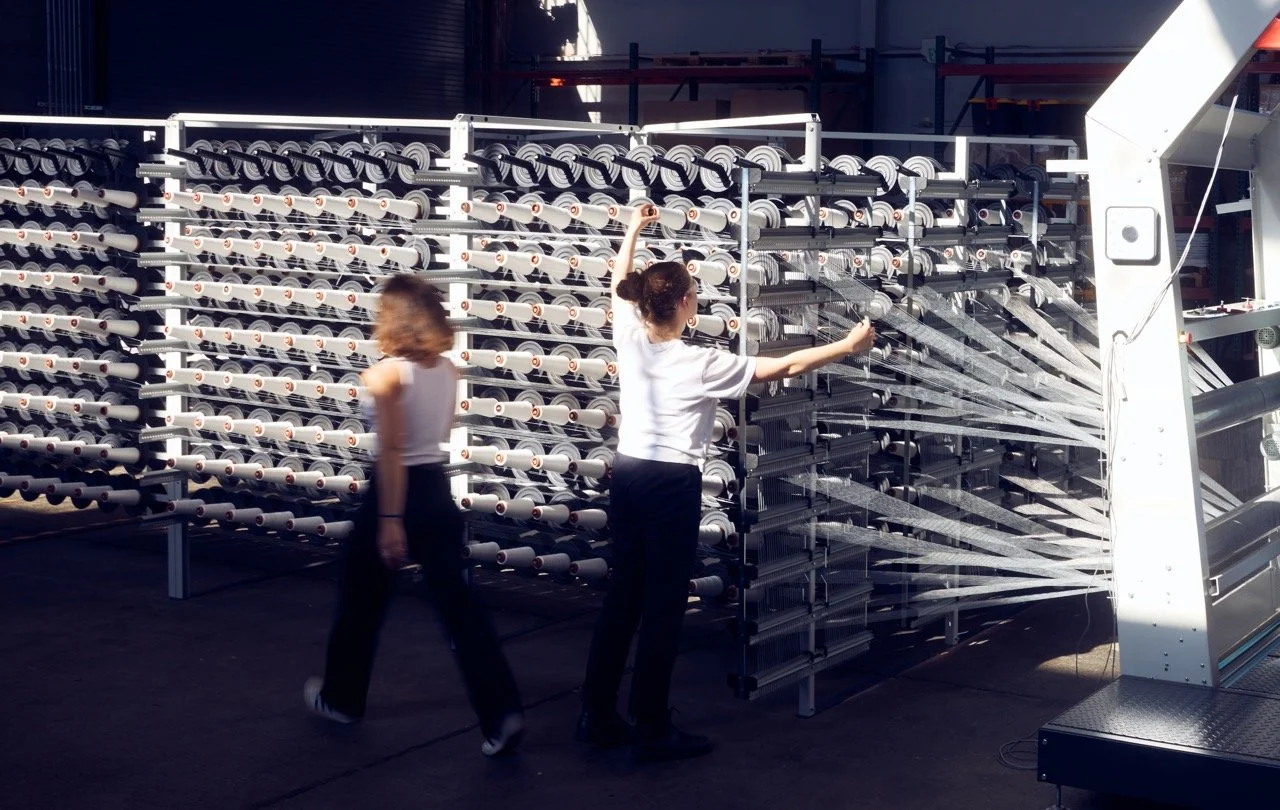
Unspun — Translating Circular Manufacturing into an Aspirational Brand
Role: Creative Editor
The central challenge in my role was translating an ambitious and highly technical mission into narratives that resonated with multiple audiences. We needed to communicate complex ideas around sustainability, manufacturing, and textile technology to both industry partners and the broader public while navigating deeply ingrained habits around consumption and personal style. To succeed, I needed understanding of circular production and climate issues, but also an awareness of the cultural and emotional factors that shape how people shop and what they choose to wear.
Key Outcomes:
Helped establish Unspun as a category-defining fashion-climate-tech company by translating complex manufacturing and sustainability systems into accessible public narratives.
Secured coverage in Vogue, WWD, TIME, Sourcing Journal, and other publications through strategic media partnerships.
Led cross-functional efforts to position Unspun for industry recognition, synthesizing insights from design, engineering, and sustainability teams to secure honors including TIME Best Invention 2019 and the SF Design Week Award.
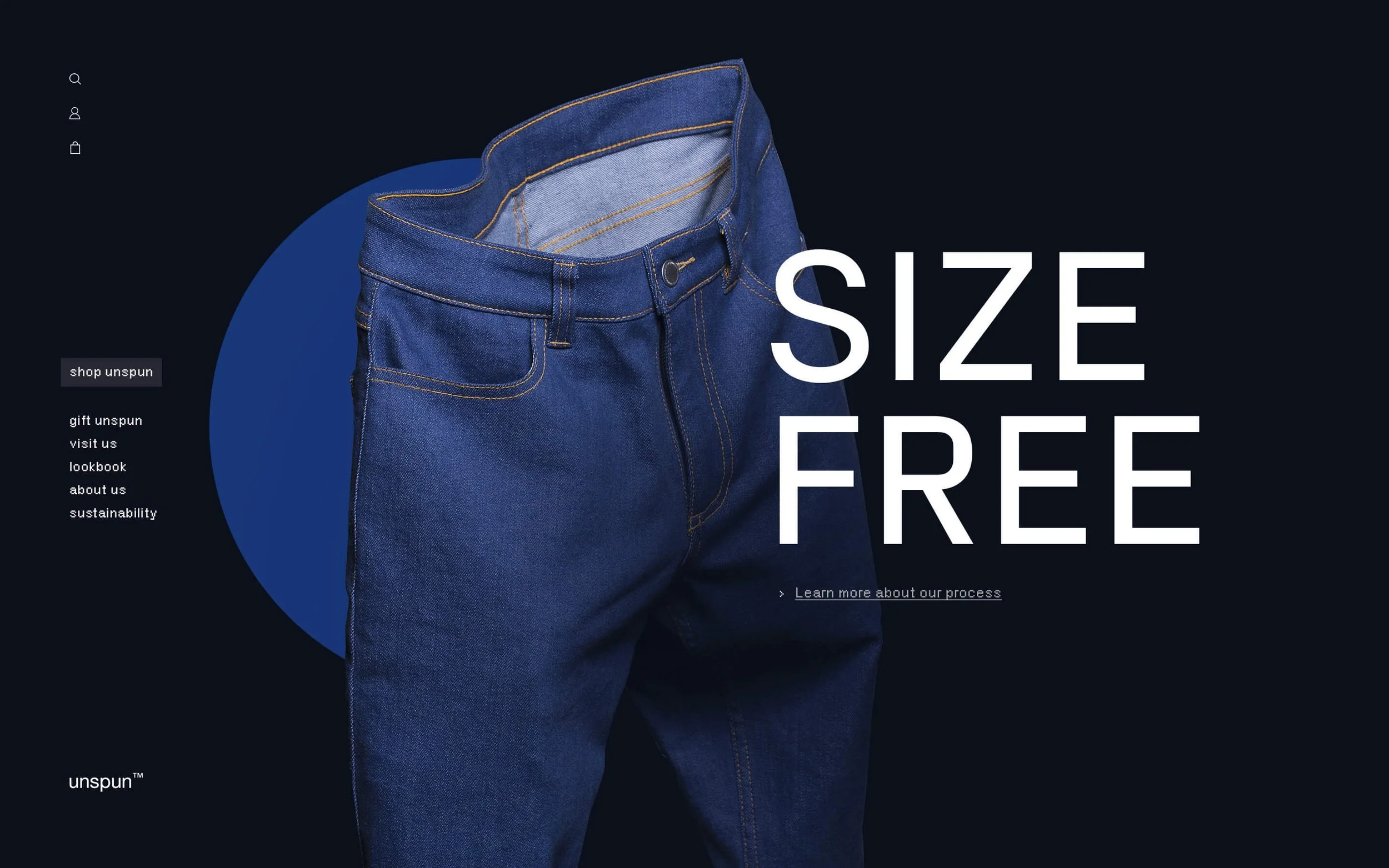
Co-led creative direction and served as the liaison with agency partner Oui Will during a comprehensive website redesign.
Built and managed a 200-person ambassador and influencer network to translate Unspun's values into community-led advocacy.
Co-authored Unspun's climate reporting in support of B Corp certification and sustainability transparency efforts.
Strategic Insight
Unspun’s technology challenged conventional assumptions about how clothing is designed, manufactured, and purchased. The opportunity was to transform a complex sustainability and manufacturing proposition into a clear, compelling brand narrative that resonates across audiences—from industry partners and investors to everyday consumers.
Narrative and Creative Direction
I led the development of Unspun’s brand narrative and voice across web, product, sustainability communications, social channels, blogs, newsletters, and retail touchpoints. This required balancing scientific credibility with cultural relevance—ensuring the company’s circular manufacturing model was understood as a technological breakthrough and a more desirable and intuitive future for fashion. These strategies were implemented into a brand book, available to view digitally upon request.
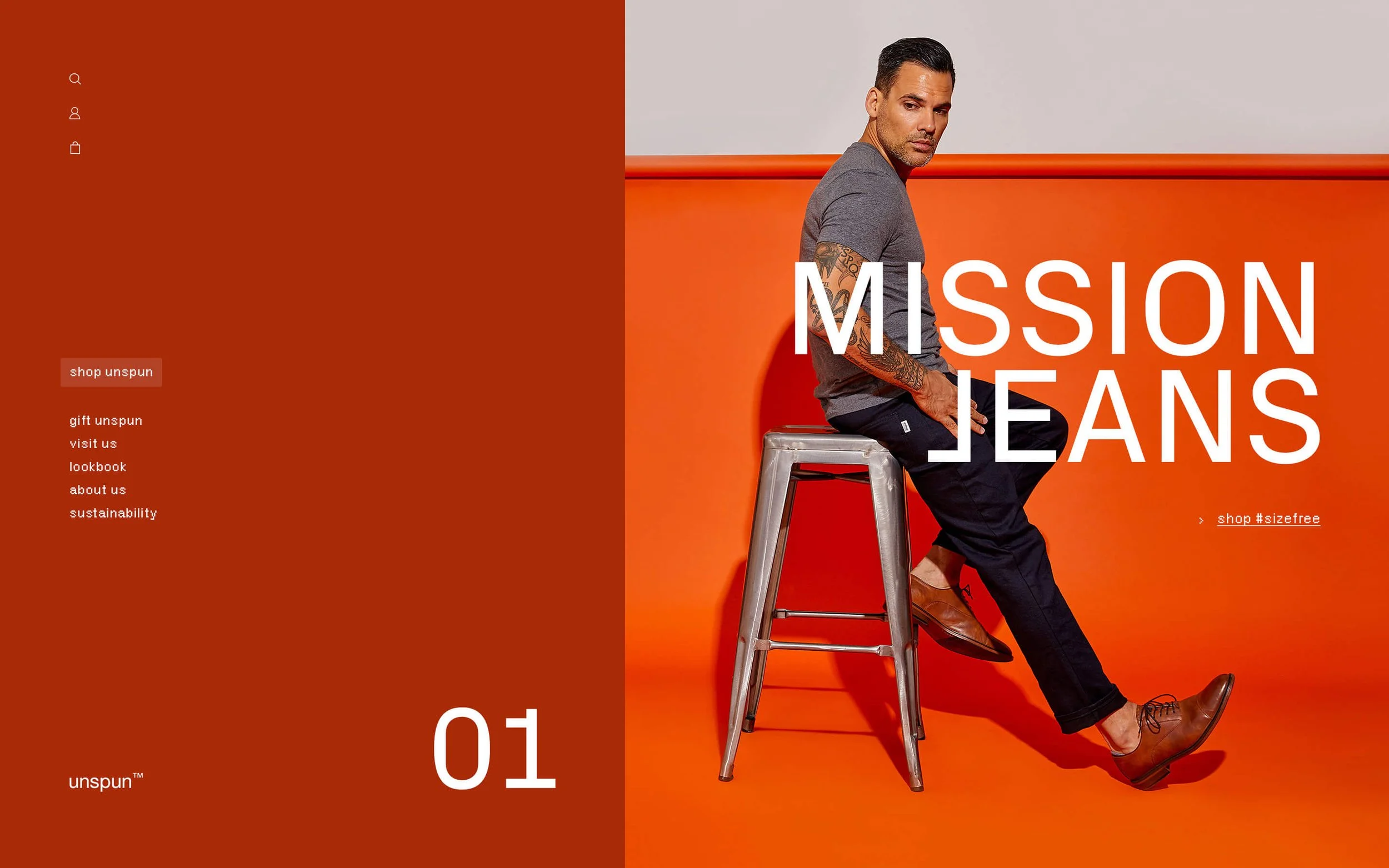
By cultivating relationships with aligned creators, sustainability advocates, and fashion journalists, I helped expand brand awareness while creating authentic pathways for audiences to engage with Unspun’s vision.
Audience and Communication Strategy
British Vogue
Could Having To Try On Jeans Become A Thing Of The Past?
Read→
WWD
H&M’s Weekday Denim to Sell ‘Size-Free’ Jeans in 2020
Read →
Sourcing Journal
Denim Unspun Wants to Make Perfectly Fitted Jeans With Zero Waste
Read →
Insider Trends
Is Unspun’s Regenerative Model the Future of Fashion?
Read →
Unspun Blog
Is Denim Sustainable?
Read →
TIME Best Invention 2020
Award Winner
View →
SF Design Week
Award Winner
View →
Interact Brands — Defining the Voice and Personality of an Iconic Brand Character
Role: Creative Director, Copy
-
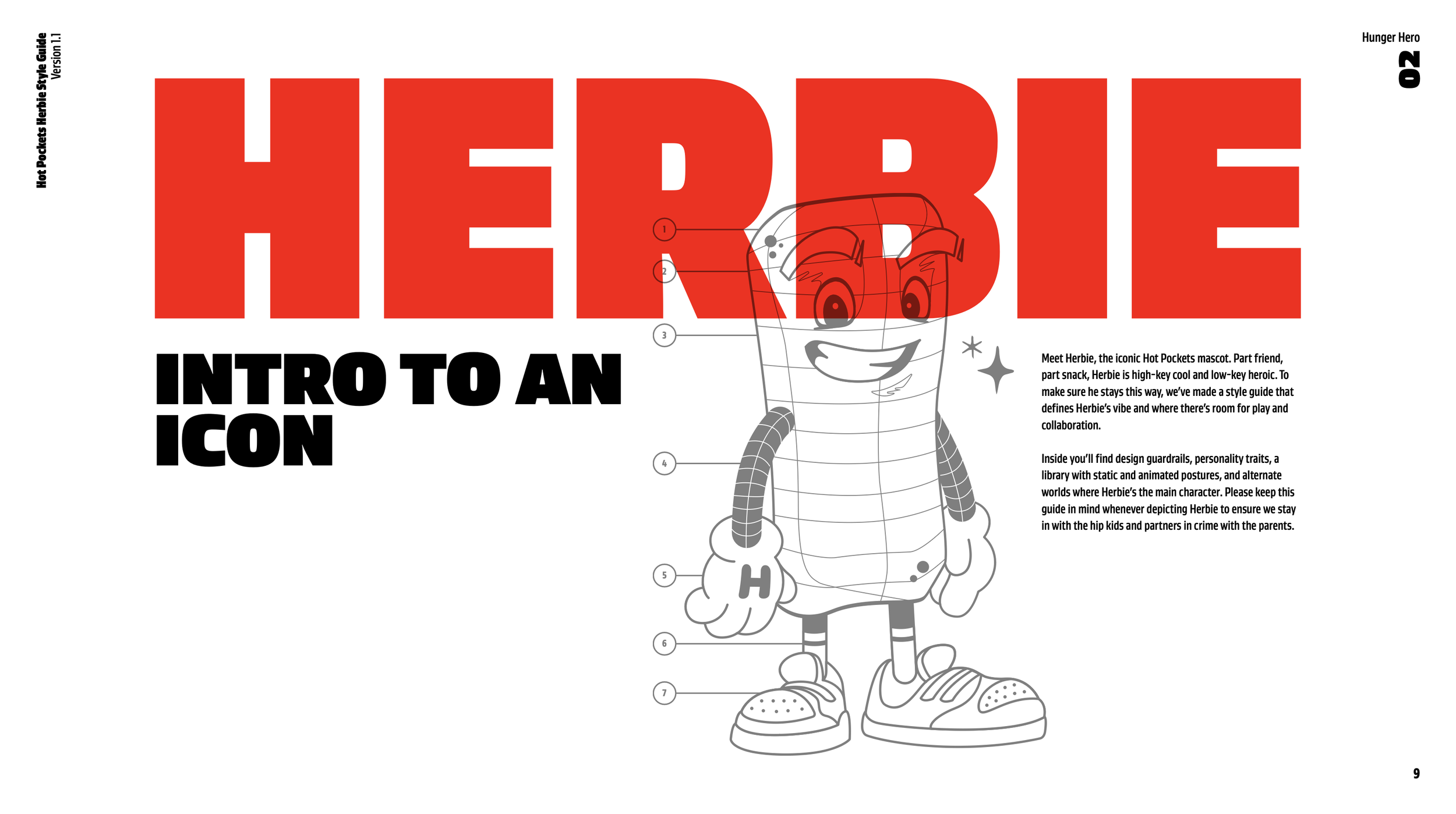
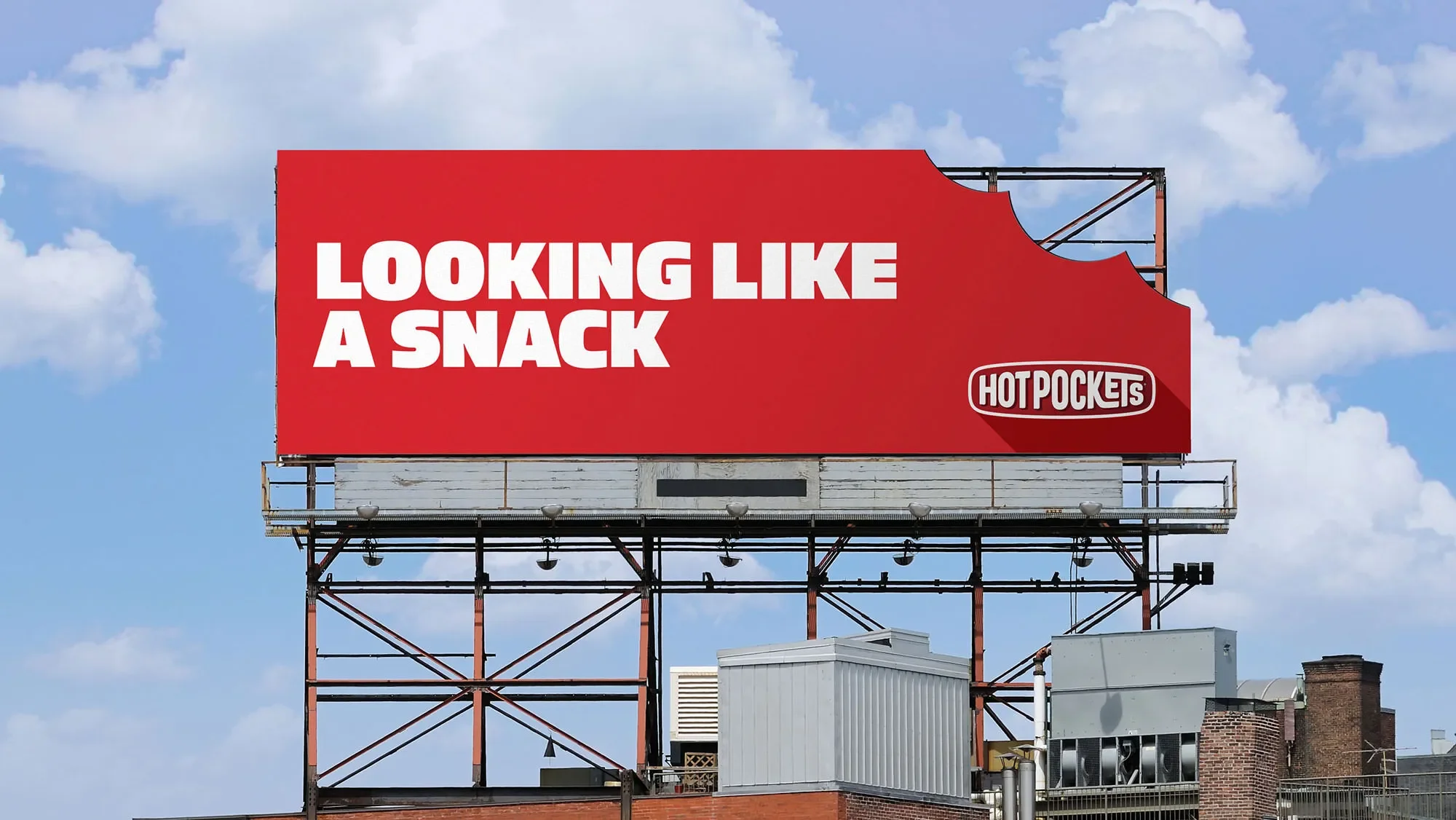
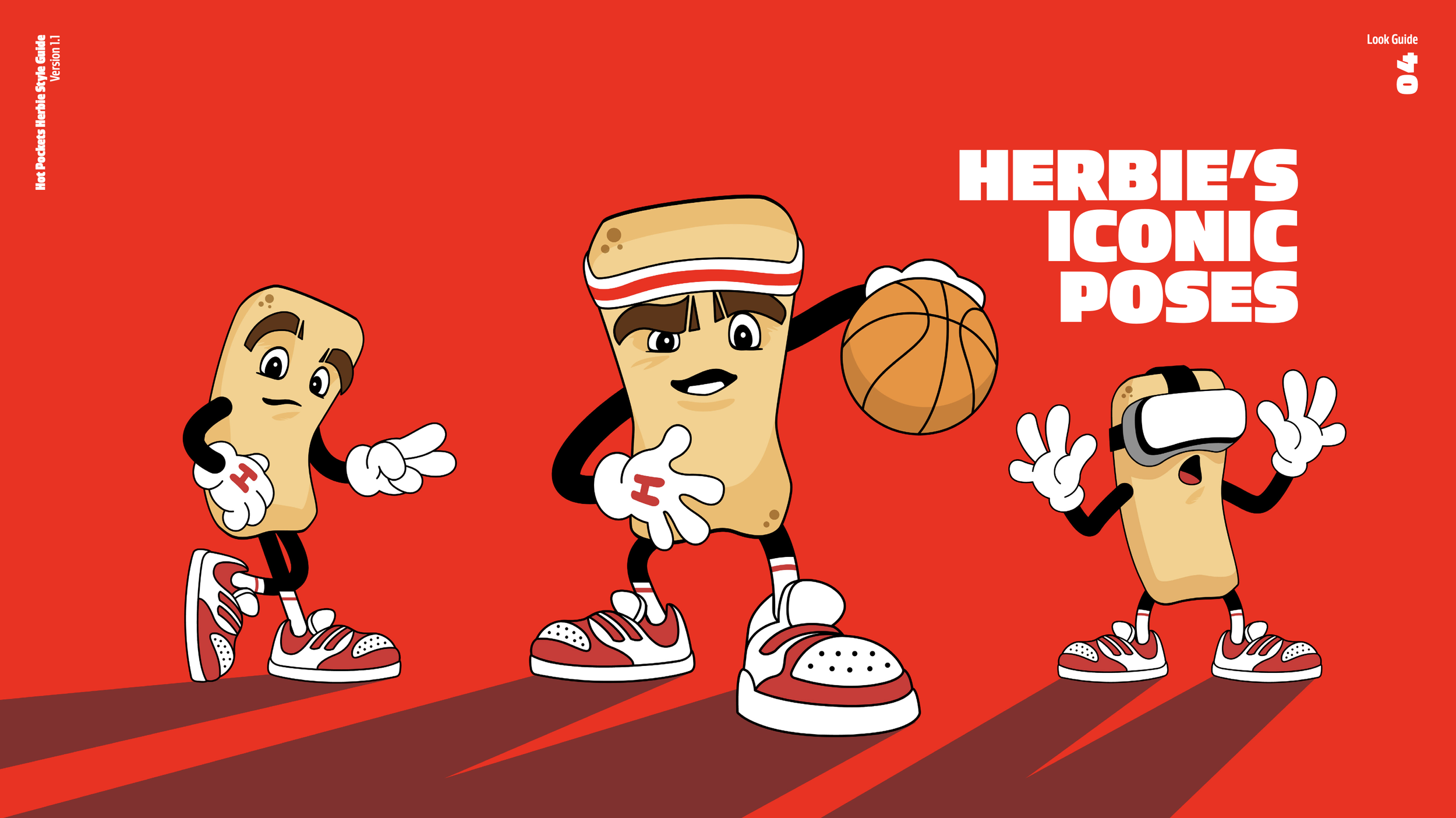
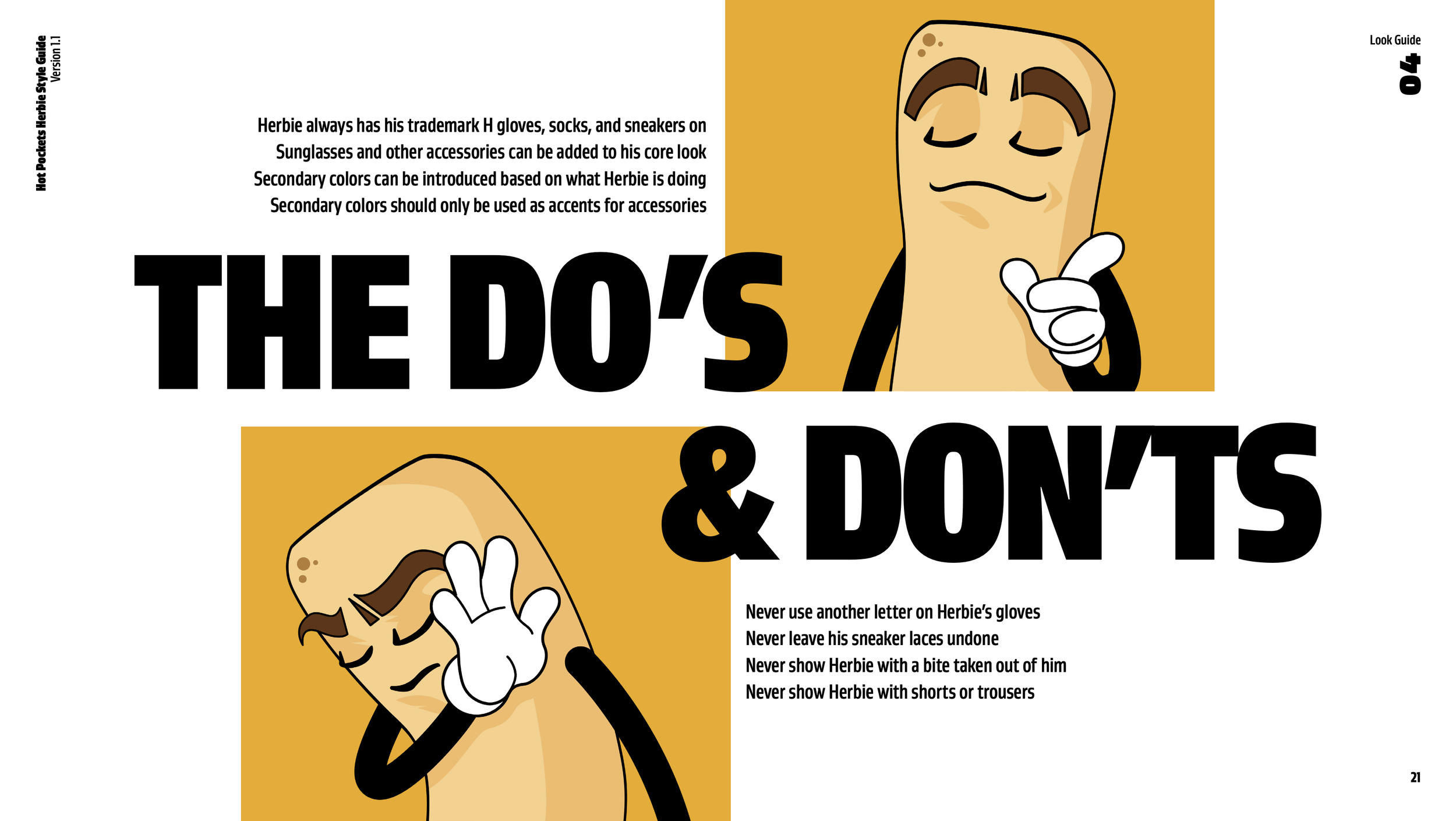
As part of my work at Interact Brands, I developed a comprehensive style and personality guide for Herbie, the Hot Pockets mascot. The guide served both internal stakeholders and external partners, providing a shared framework for how the character should speak, behave, and appear in consumer and business-facing contexts.
-
Herbie existed as a recognizable mascot, but lacked a fully articulated personality system that could ensure consistency. The challenge was to create a character framework that could scale across teams while remaining distinctive.
-
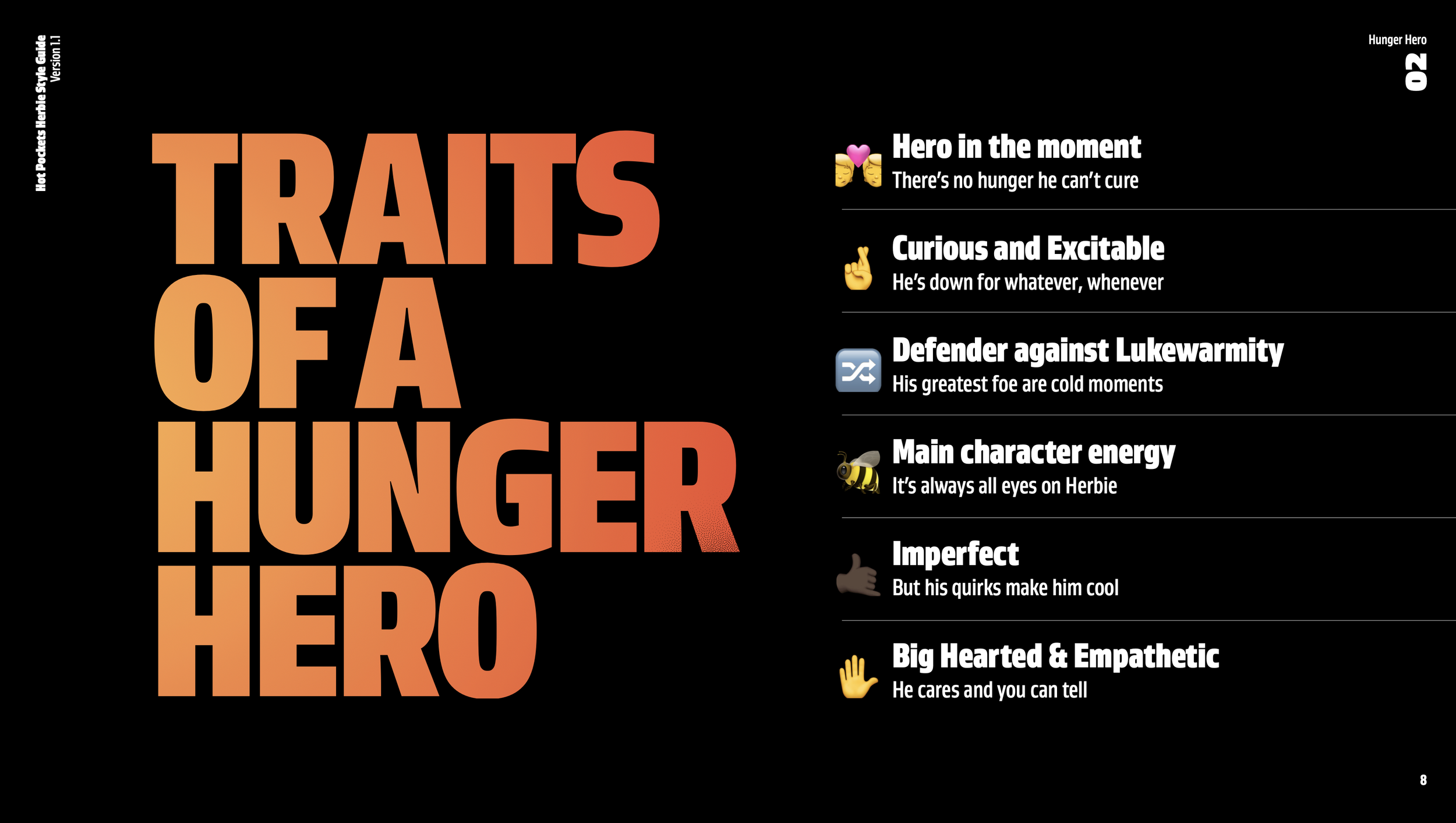
Rather than treating Herbie as a collection of visual assets, I approached the mascot as a cultural character with a specific voice, set of behaviors, and social references. By identifying celebrity analogues and mapping tone across different contexts, I created a system that allowed teams to understand not only what Herbie would say, but how and why he would say it.
Buckman — Building Structure in Literary Publicity and Multimedia Publishing
Designed the operational systems that coordinate awards submissions, interviews, reviews, and author publicity across multiple timelines and contributors.
I developed tracking infrastructure and task-management frameworks that shifted publicity from an ad hoc process into a repeatable function.
Beyond publicity operations, I created an editorial workflow for This Is Portland’s commissions, editing, and publication cycles.
Setting Systems
Praise for Annihilation for Beginners by Charlie J. Stephens
“Charlie J. Stephens is a bard of the Oregon coast, the Willamette River, the people left behind and the people doing the leaving, the transplants to the city’s edges, the birds and deer and trees, the broken link between human and humane. This is a book about queer solitude and dreaming, the potential of friendship, the persistence of childhood longing, and what it means to grow. Each story stands on its own, while together they build up to a crescendo of conflicting feelings, ‘the momentum underneath everything.’”
—Mattilda Bernstein Sycamore, author of Terry Dactyl
“Charlie J. Stephens’s stories move deftly through Oregon’s varied landscapes—coastal fog, high desert, ancient groves—where the natural world offers something like kinship to those navigating loss and its long tail. These are characters raising reptiles, getting strange in cemeteries, asking themselves why they're still here and finding the answer in unexpected anchors: a child, a snake, a stranger's kindness. Stephens writes with wry philosophical weight and a dark wit, turning the dread we all carry into something oddly beautiful and life-affirming."
—Kimberly King Parsons, author of We Were the Universe
“Charlie Stephens’s people are precisely the people we need right now—complex, compassionate, queer, courageous, and just a little bit sick of the way people focus on what is entirely beside the point. They have what the wise old woman who raised me would have called gumption. I would follow this writer into any dark woods.”
—Pam Houston, author of Deep Creek: Finding Hope in the High Country
Multimedia Editorial Leadership
I curate, commission, edit, and publish multimedia features for This Is Portland, shaping the platform's editorial identity and expanding Buckman's engagement with Portland's literary and artistic communities.
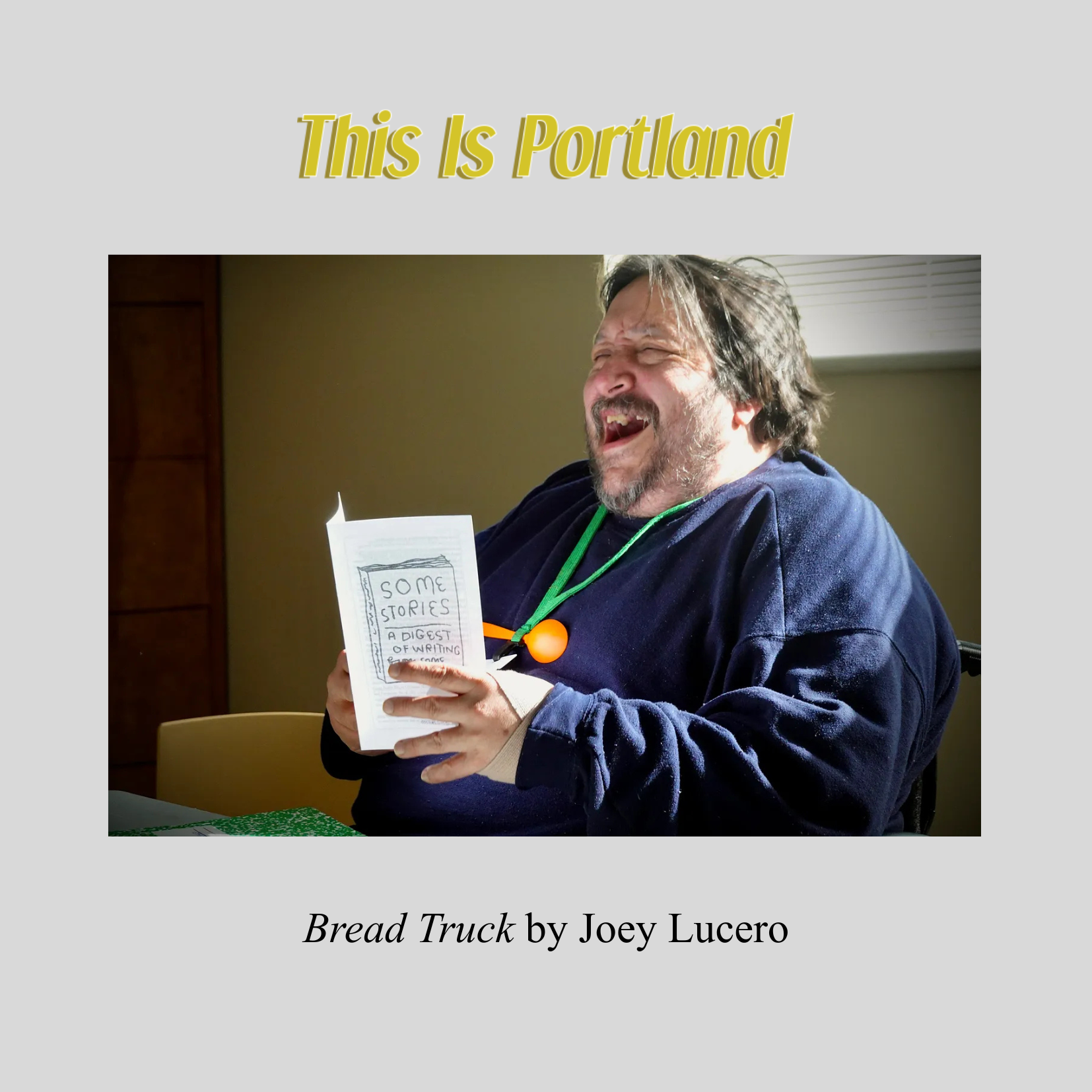
In collaboration with Some People Press, Joey writes a wild story from a time before prison. (Click images to read.)
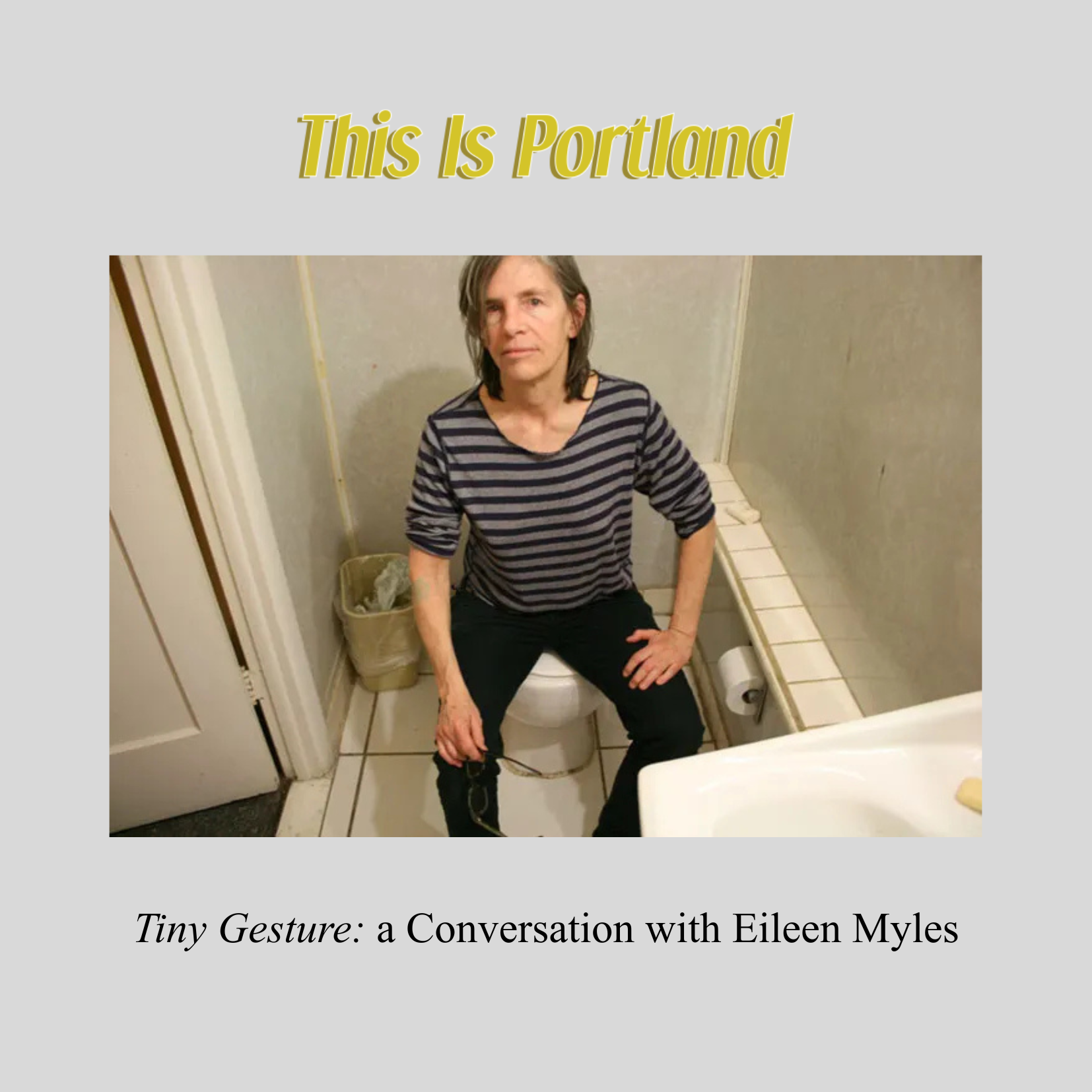
Edy talks with Eileen in a hotel lobby on archiving then and now, writing schools, Alice Notley, fathers and imperialism, sex and chakras.
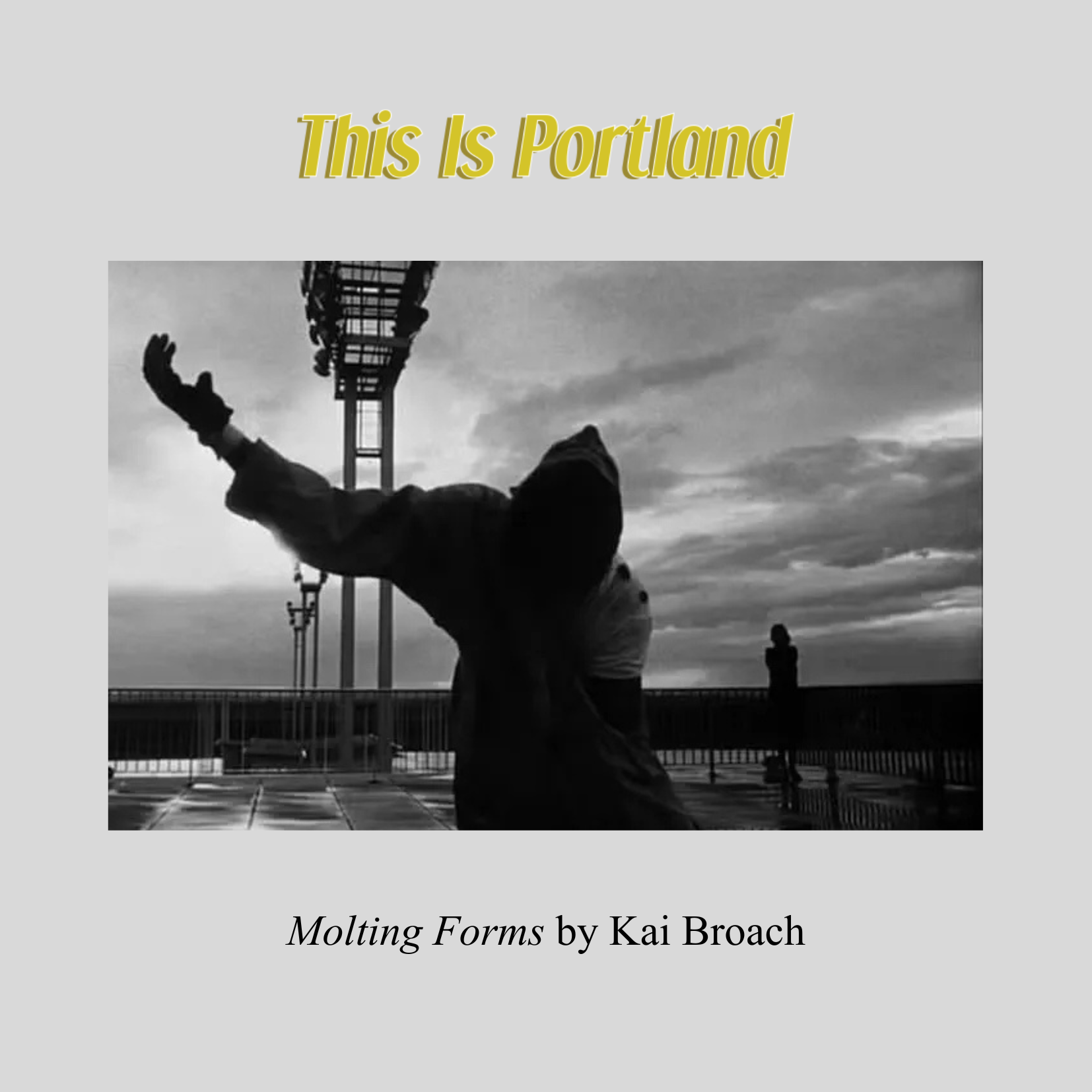
Kai writes in regard to movies and music that shed form, exploring different modes of meaning-making.
Literary Development & Editorial Strategy
I help shape Buckman's editorial direction by identifying emerging voices, editing, evaluating manuscripts across genres, and contributing to the development of Buckman Journal.
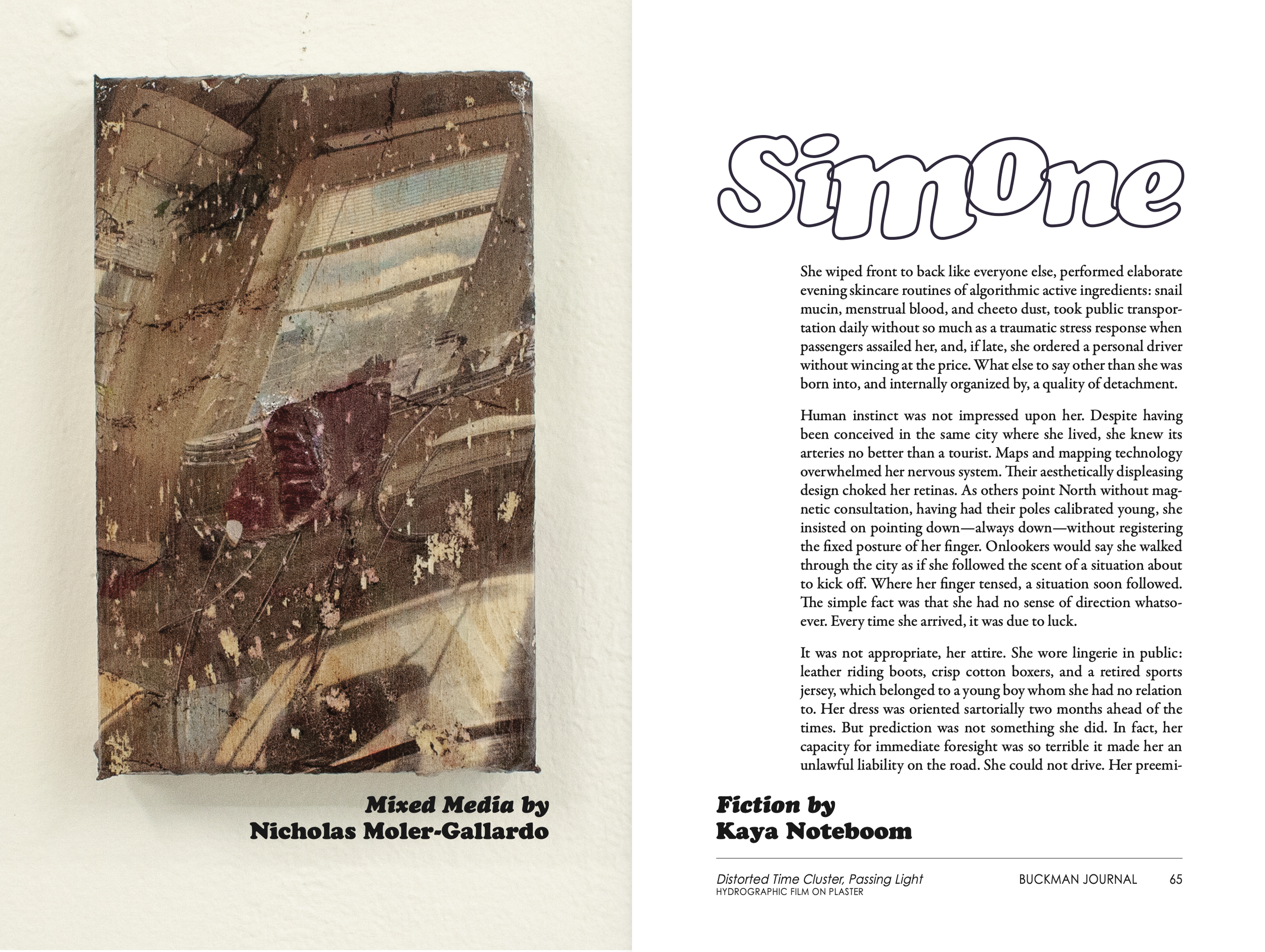
An unconventional narrator deflects power, witnesses unclear atrocity, and, after announcing her proclamations, may or may not have survived.
Role: Acquired & Edited
Simone by Kaya Noteboom
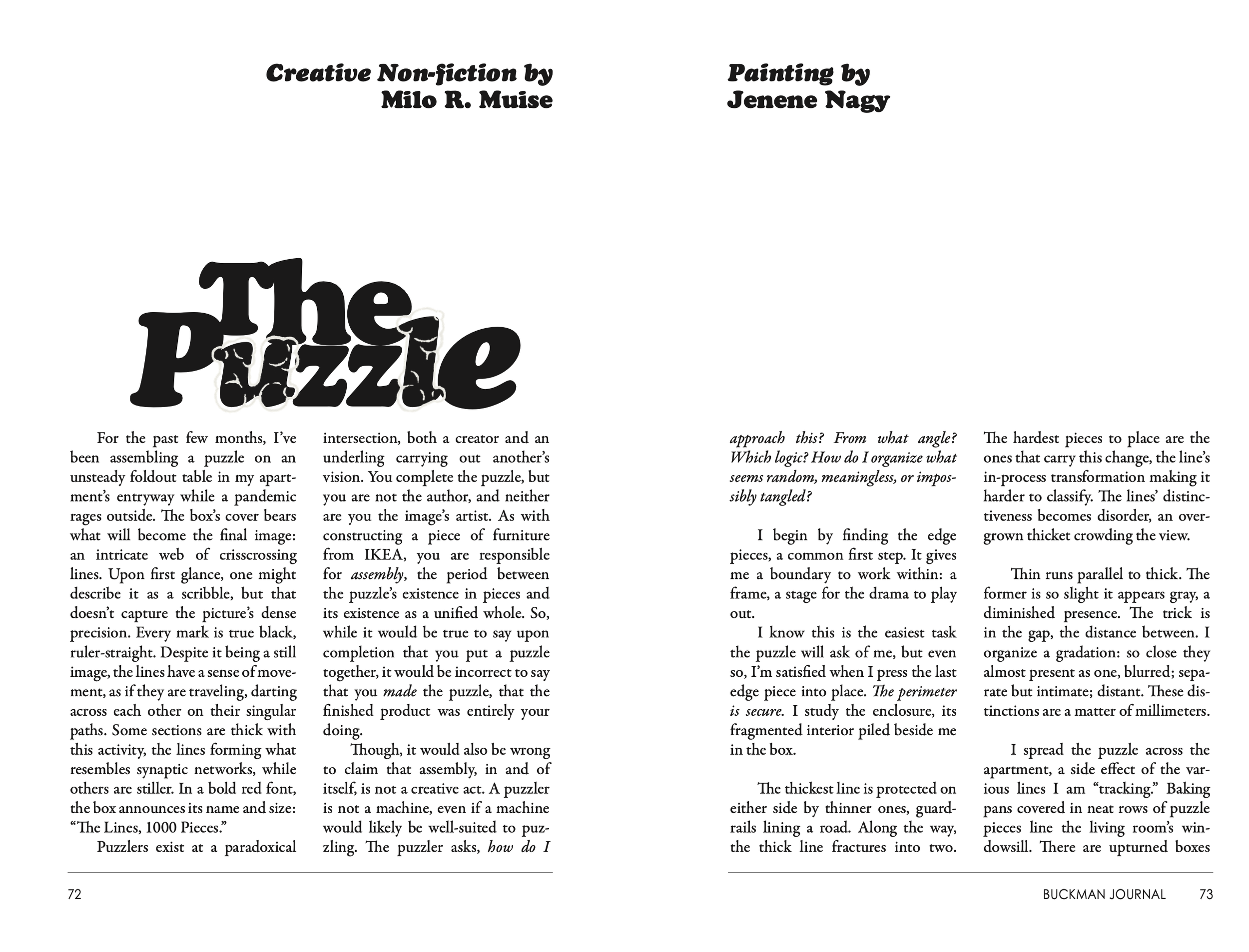
The Puzzle by Milo R. Muise
Individualistic puzzling raised to the critical degree.
Role: Editor
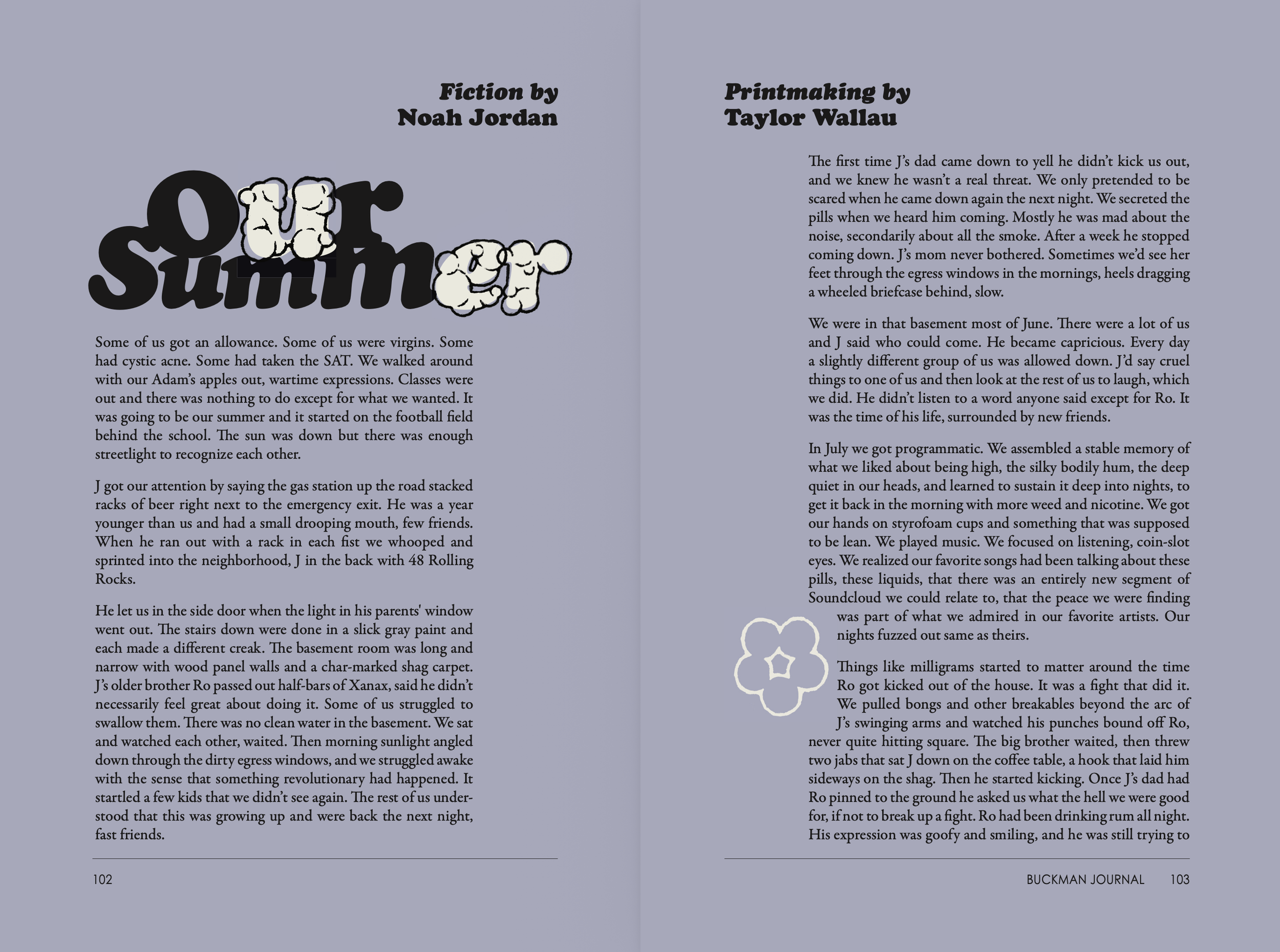
Our Summer by Noah Jordan
High school summer and the drugs along the way.
Role: Acquired & Edited
Fonograf Editions / Assistant Editor
“Fonograf Editions exists to take risks that push the boundaries of sound, text, and genre. We value the interdisciplinary, experimental, and unclassifiable, and strive to bring to life works that resist, bend, and break expectations.” —Fonograf Editions
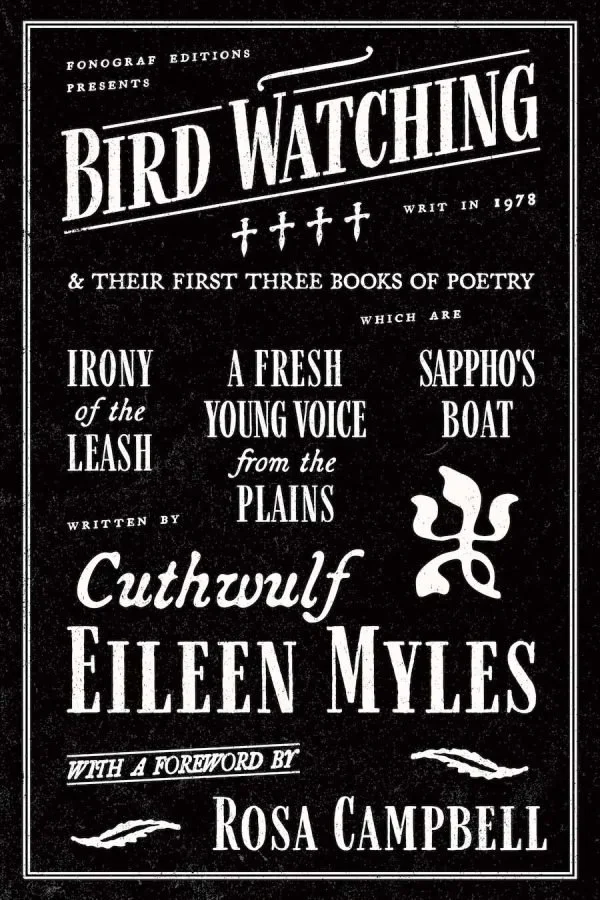
Assistant Editor / Bird Watching by Eileen Myles
“The Irony of the Leash, A Fresh Young Voice from the Plains, and Sappho’s Boat, the other collections contained in the volume, comprise the first three books that Myles published, when their promise as one of the most important writers of their generation was just coming into view.” —Fonograf Editions
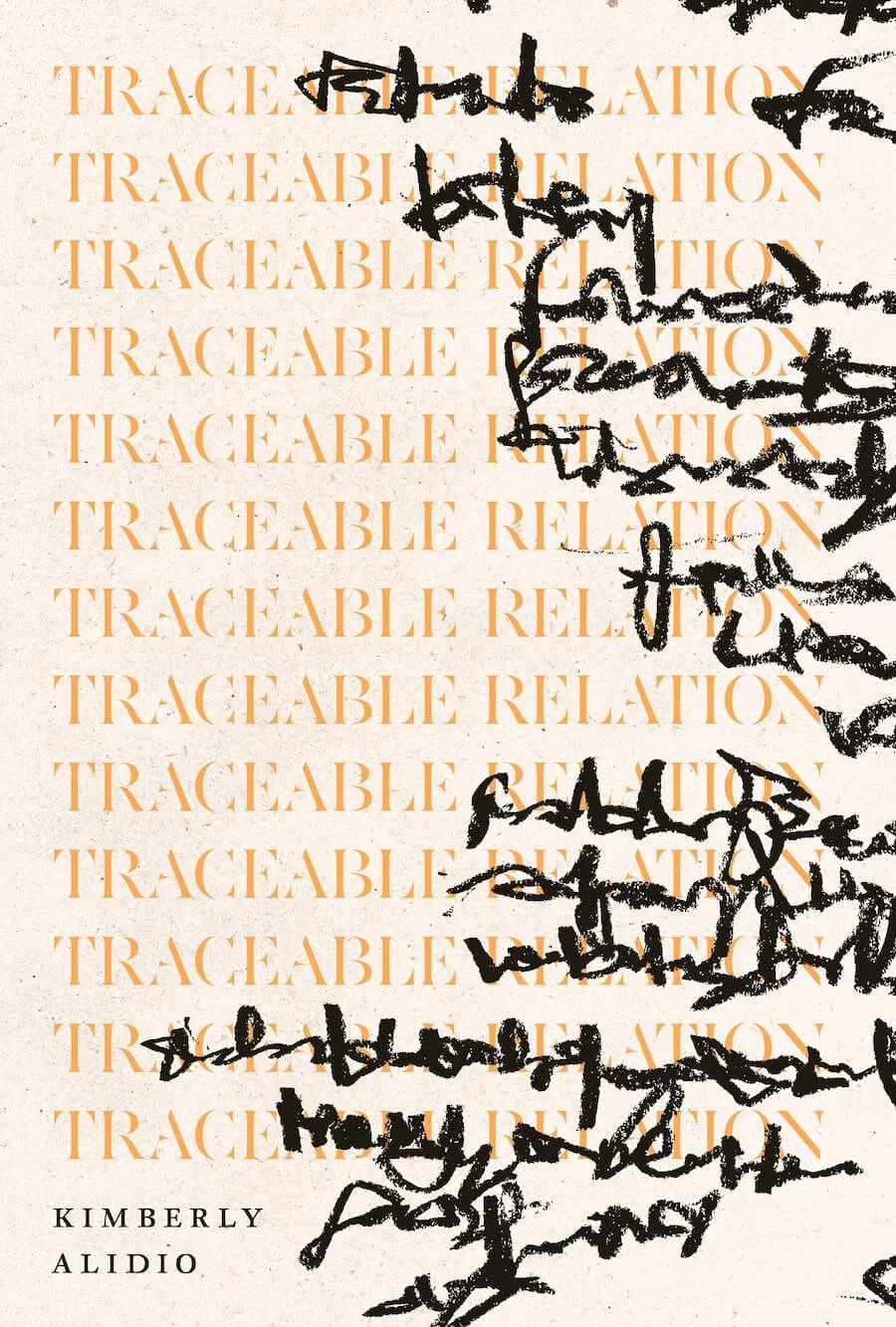
Editor / Traceable Relation by Kimberly Alidio
“An exquisitely sculpted living-thinking-breathing work. Whenever I put it down I immediately want to pick it back up. Traceable Relation is everything I want to read.” —Renee Gladman, author of My Lesbian Novel
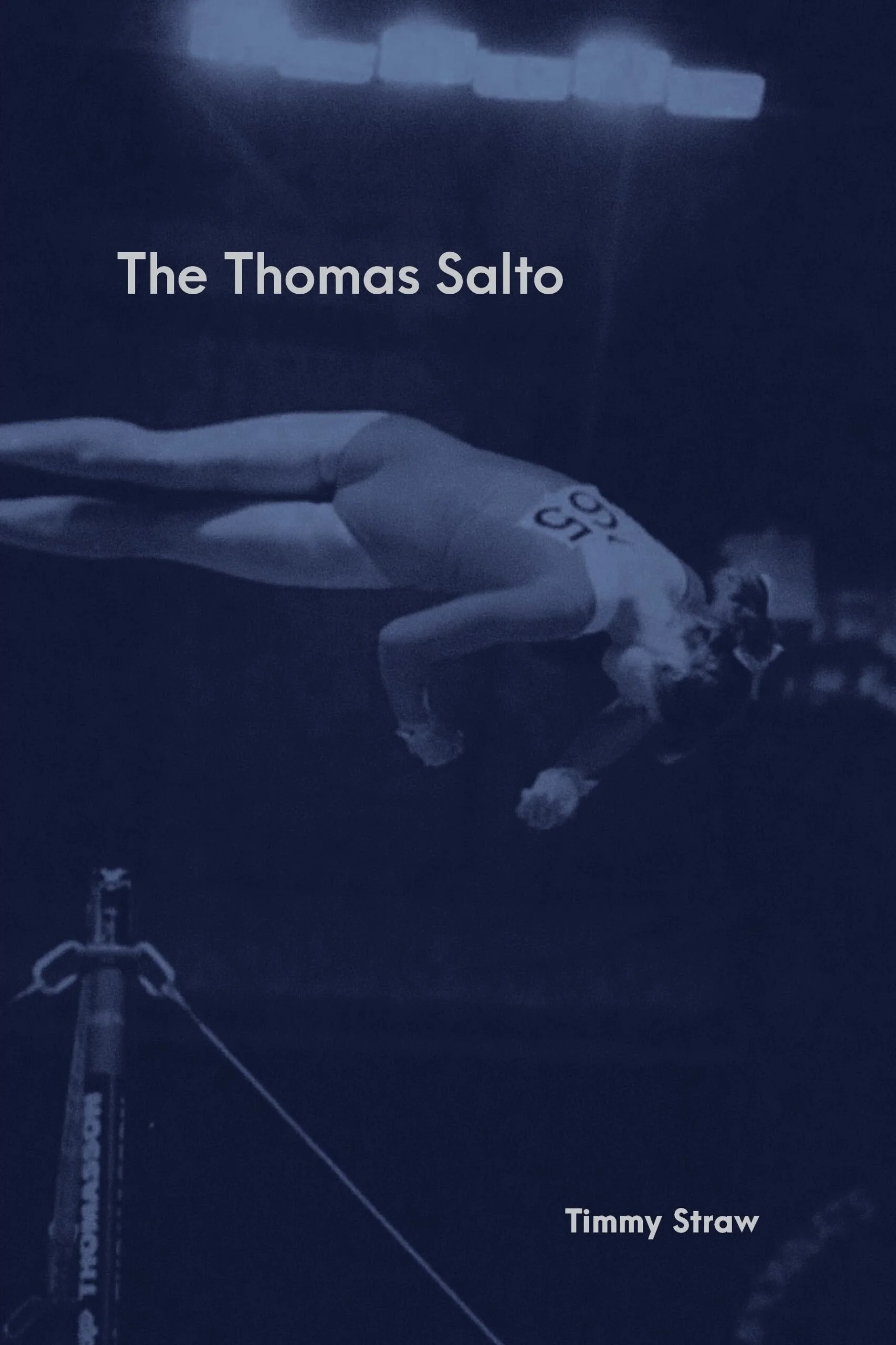
Interviewer / The Thomas Salto by Timmy Straw
“Has our species ever been more in need of new ways of thinking through our relation to the real, to the simulated, to each other? With a visionary attention to the lived sensorium of the present and its historical givens, The Thomas Salto reveals a brilliantly nuanced view of individual agency in the age of falling empires. If the future is survivable, this is what its poetry sounds like.”—Elizabeth Willis
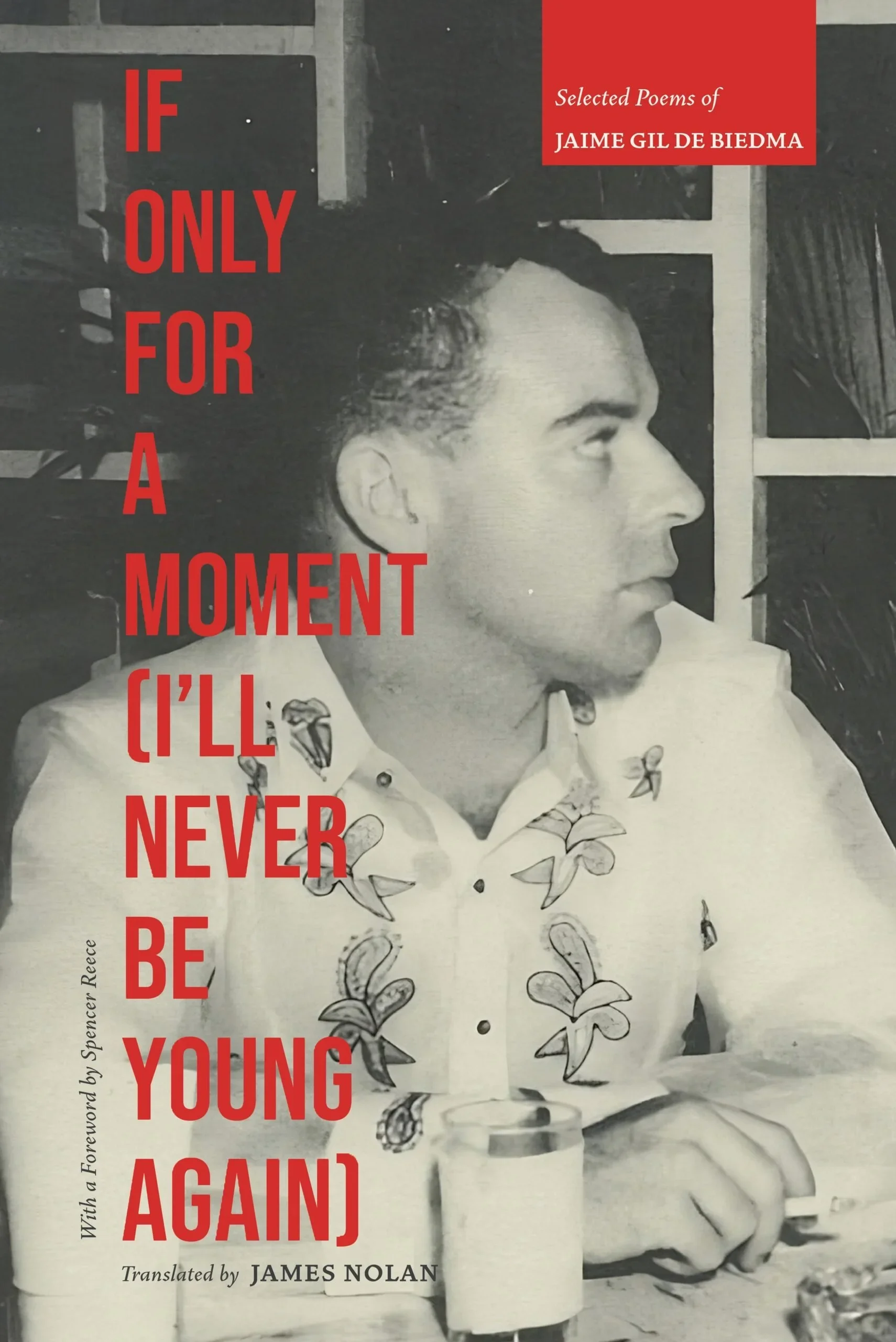
Assistant Editor / If Only for a Moment (I’ll Never Be Young Again) by Jaime Gil Biedma trans. by James Nolan
“In this brilliant bilingual edition, Jaime Gil de Biedma (and translator James Nolan) stage suits of poems committed to beauty and resistance, weaving together a politics filled with erotic charges, fierce candor, and a lilting descent into the past. Forfeiting nostalgia for a fierce look at the way personal and cultural histories collide, his collection remains true to de Biedma’s desire, as he says in his introduction, “be the poem” rather than the poet, this much overdo collection gives us a glimpse into the aftermath of both violence and love.” —Alexis Almeida
Wardrobe Theory Project — Writing After the Affective Influence of Garments
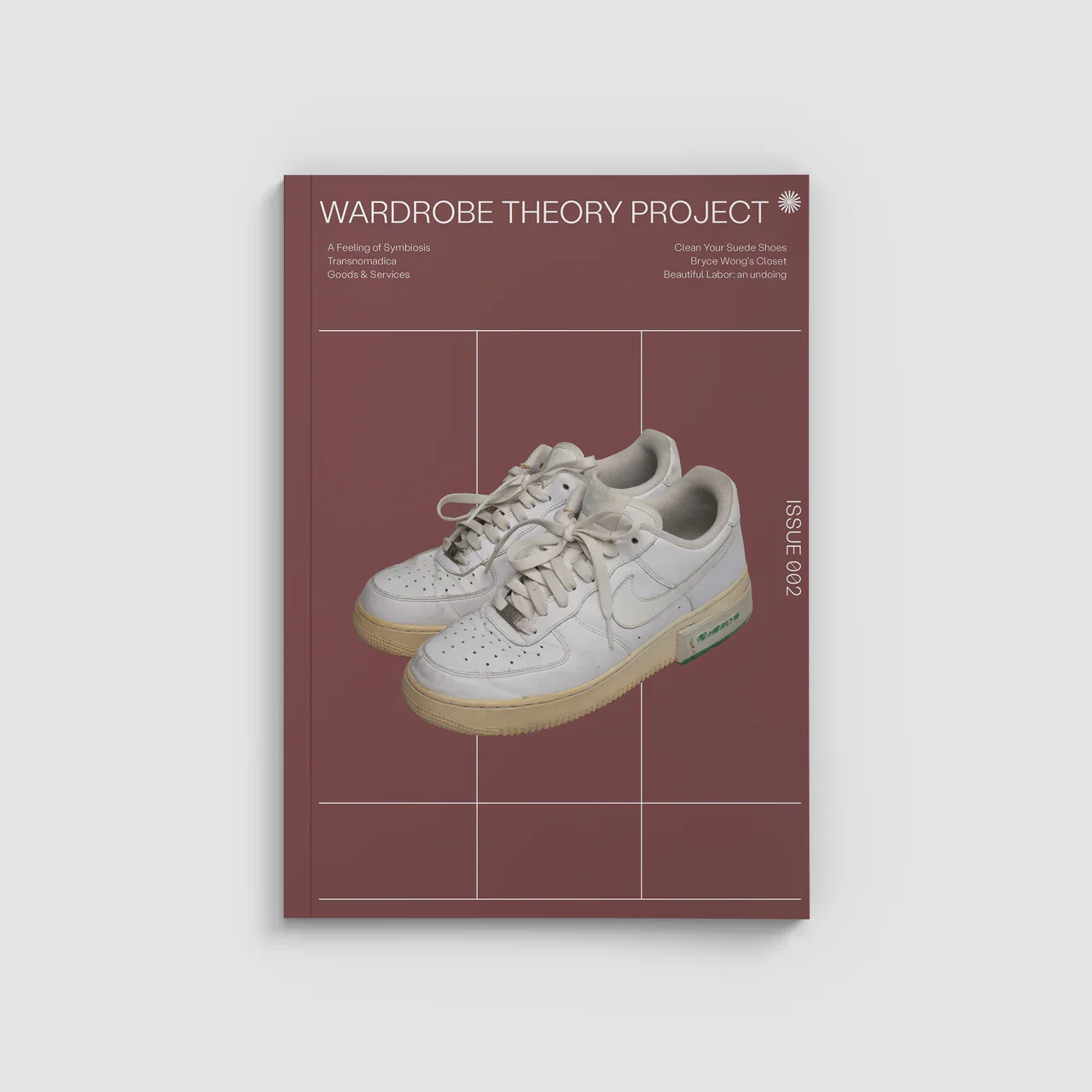
“Wardrobe Theory Project is a biannual print magazine that explores how we consume, curate, and create. They’re at the intersection of how fashion makes us feel while understanding its impact on the environment.” —Wardrobe Theory Project
RoleI wrote the cover story for WTP’s second issue, titled A Feeling of Symbiosis.
FocusThe artist Yussef Agbo-Ola
Textile symbiosis
Circular manufacturing models
Affective attachments to garments
Research and Inspiration
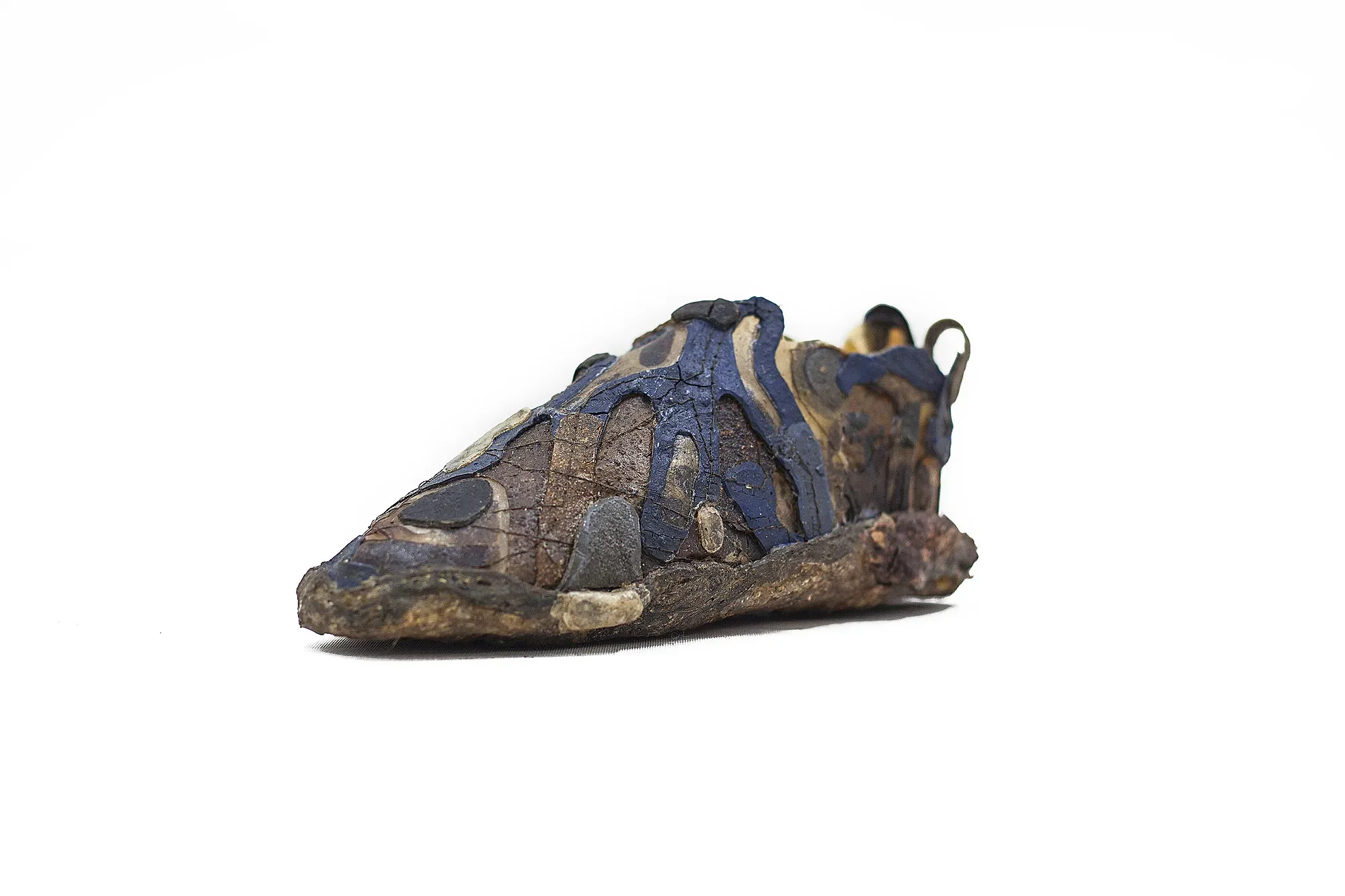
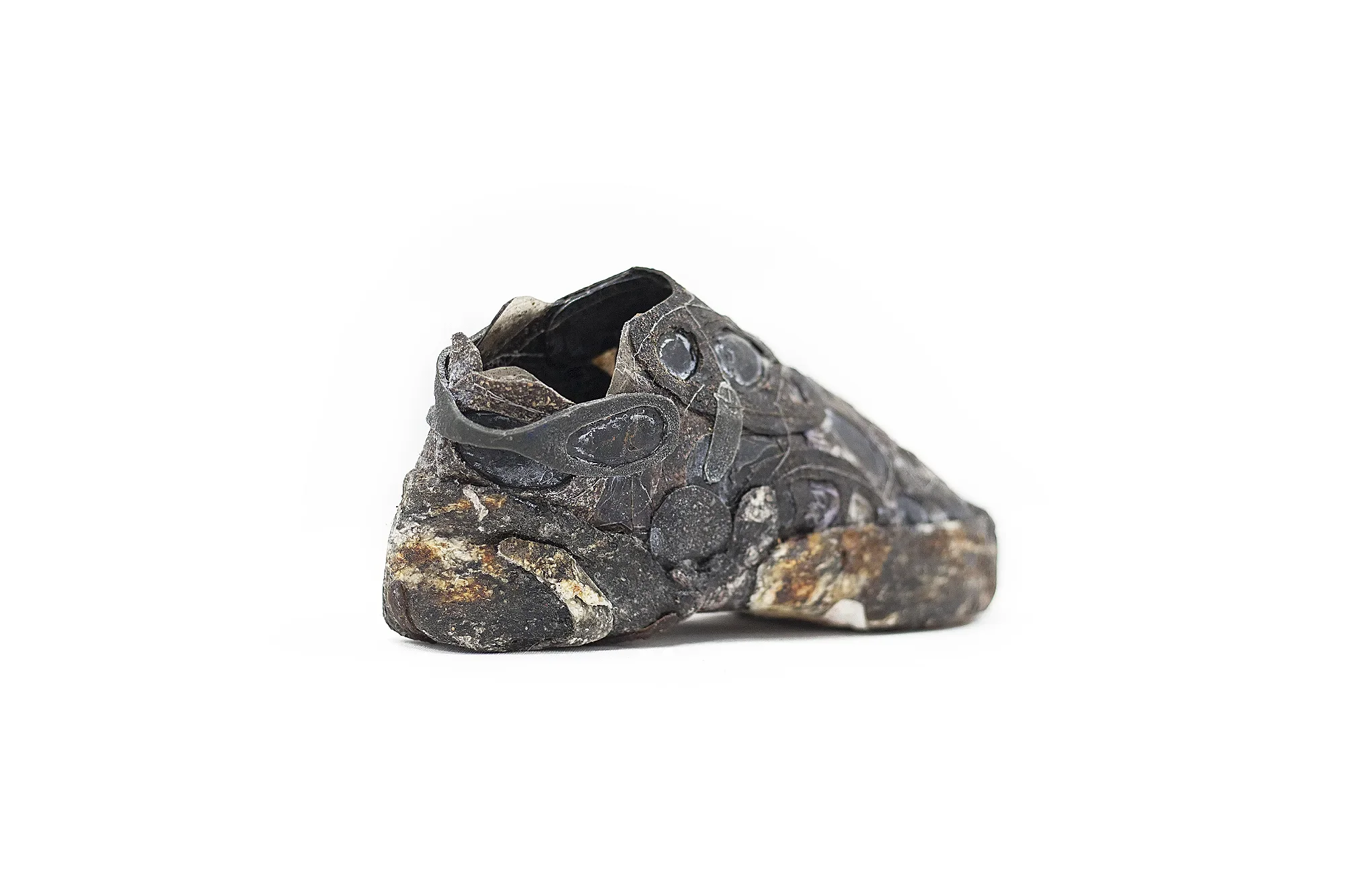
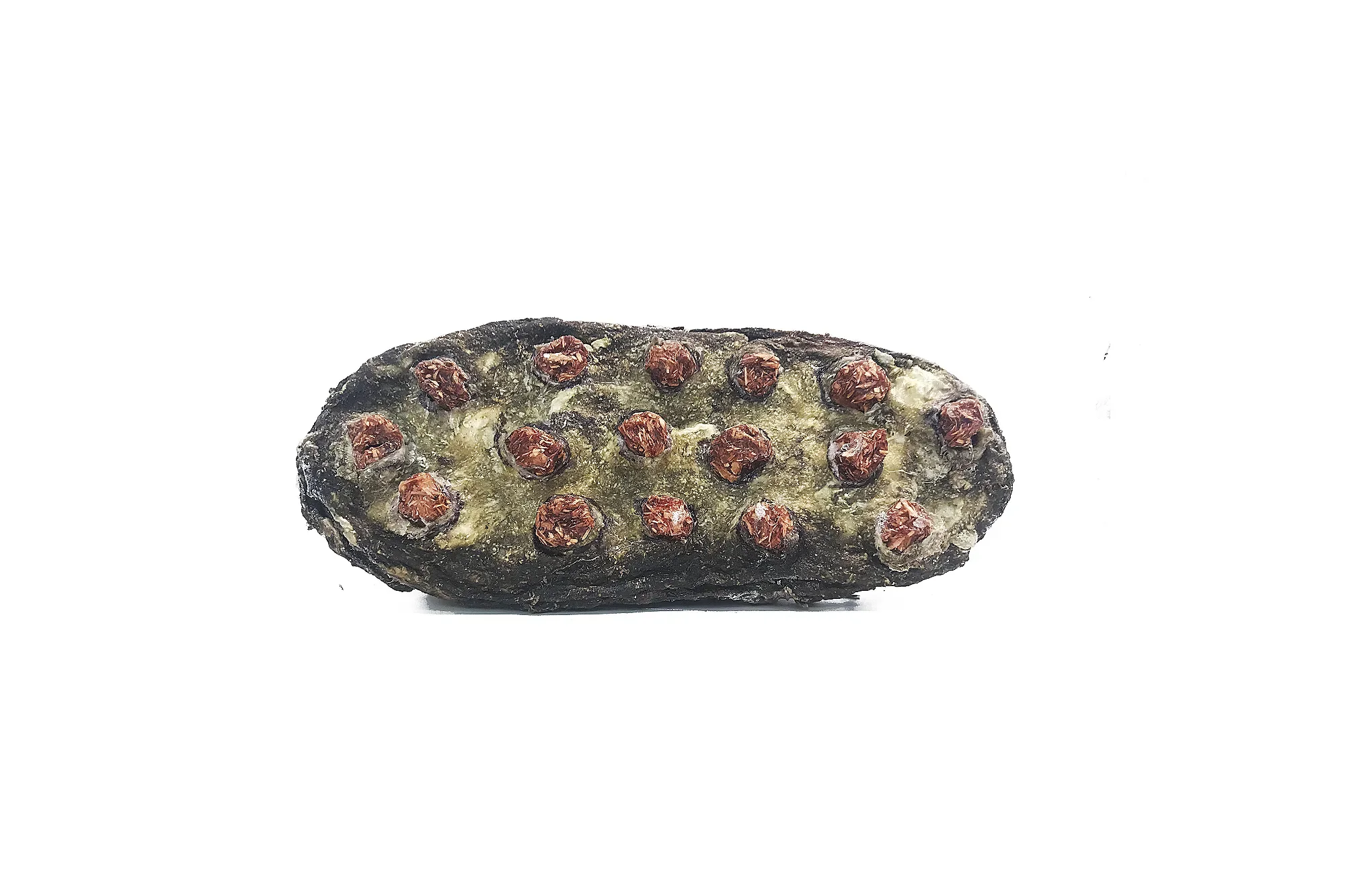
The Kajola Shoe by Yussef Agbo-Ola & Olaniyi Studio → See more
From A Feeling of Symbiosis: What Agbo-Ola is doing disturbs our perception for its lack of familiarity. The shoes are devoid of hard lines and edges, fluorescent colors and symmetrical patterning—marks common in modernity. In contrast, they’re unshapely, rotten, and patched. They look like what humans would wear if they were mirroring the landscape but since we don’t, instead they conceptually point to the distance between us and the earth surrounding.
“Poetry communicates using symbols, which fascinates me as an architect. I’m interested in this symbolic element and the chemistry of poetry. I strive to use language and descriptive elements to express things not just as they are but in ways that provoke different imaginations. As an architect, I aim to illuminate the unseen realm—not literally, but through symbols.
There’s a beauty in the freedom that poetry allows for expression. Its capacity for introspection is crucial for my design process. Another wonderful aspect of poetry is how it positions one element next to another, creating contrasts. I think about what these contrasts mean and how they evoke emotions or gestures of understanding when combined into a cohesive expression of spatial poetry. I see poetry as an equation or formula that contrasts and reflects different elements. Through this contrast and reflection, you can see the reality of the world described in a way that encourages new perspectives. This philosophy is what I strive to incorporate into my work as an artist and architect.”
→ Read more of Agbo-Ola’s interview with Arte Realizzata
What are the benefits of an interdisciplinary approach, especially in light of the different political, social, economic, and ecological implications of design in this time of climate crisis?
“When we segregate expertise, research, belief systems, and ideas into sub-divided categories of intellectual supremacy, the vicissitudes between us becomes our current reality. It is not that we need to all be jacks of all trades but rather, we need an attitude of openness adopted by designers and all the supporting fields. My life’s work will be to continue to grow and lead a studio that is full of non-designers, non-architects, non-intellectuals, a studio where all fields are fused together. Ecologists, healers, farmers, anthropologists, etc. all conversing and experimenting with one another. Design for me has never been an act of simply producing a product or artefact but involves the act of designing environments and systems of relations that bring people together to rethink how their expertise can create a new reality for the whole.”
→ Read more of Agbo-Ola’s interview with Pin-Up Magazine
Alpine Modern / Editorial, Design, and Production Assistant
Once a quarterly magazine and storefront emphasizing elevated design and mountain living, Alpine Modern now operates as a café in Boulder, Colorado.
Editorial
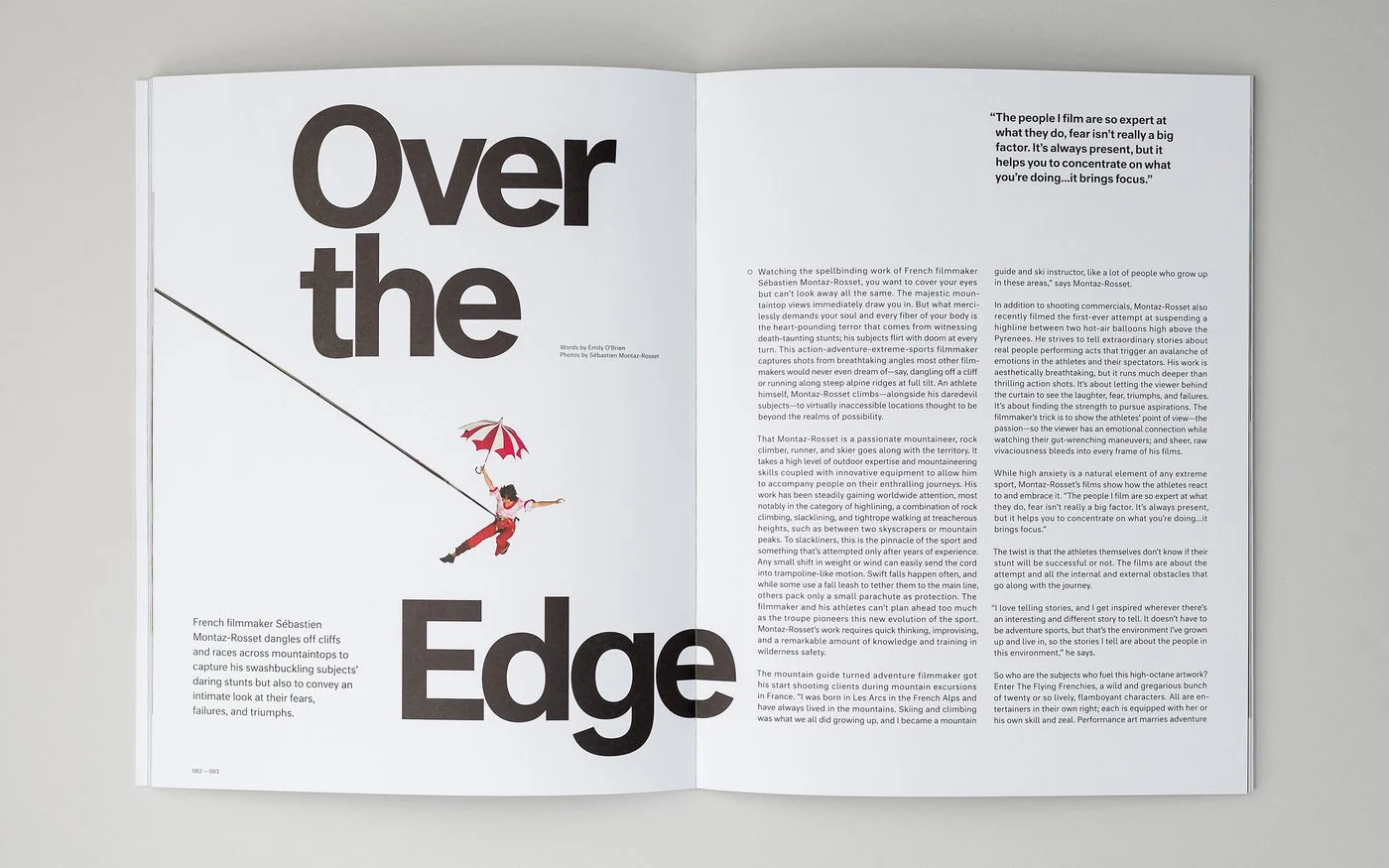
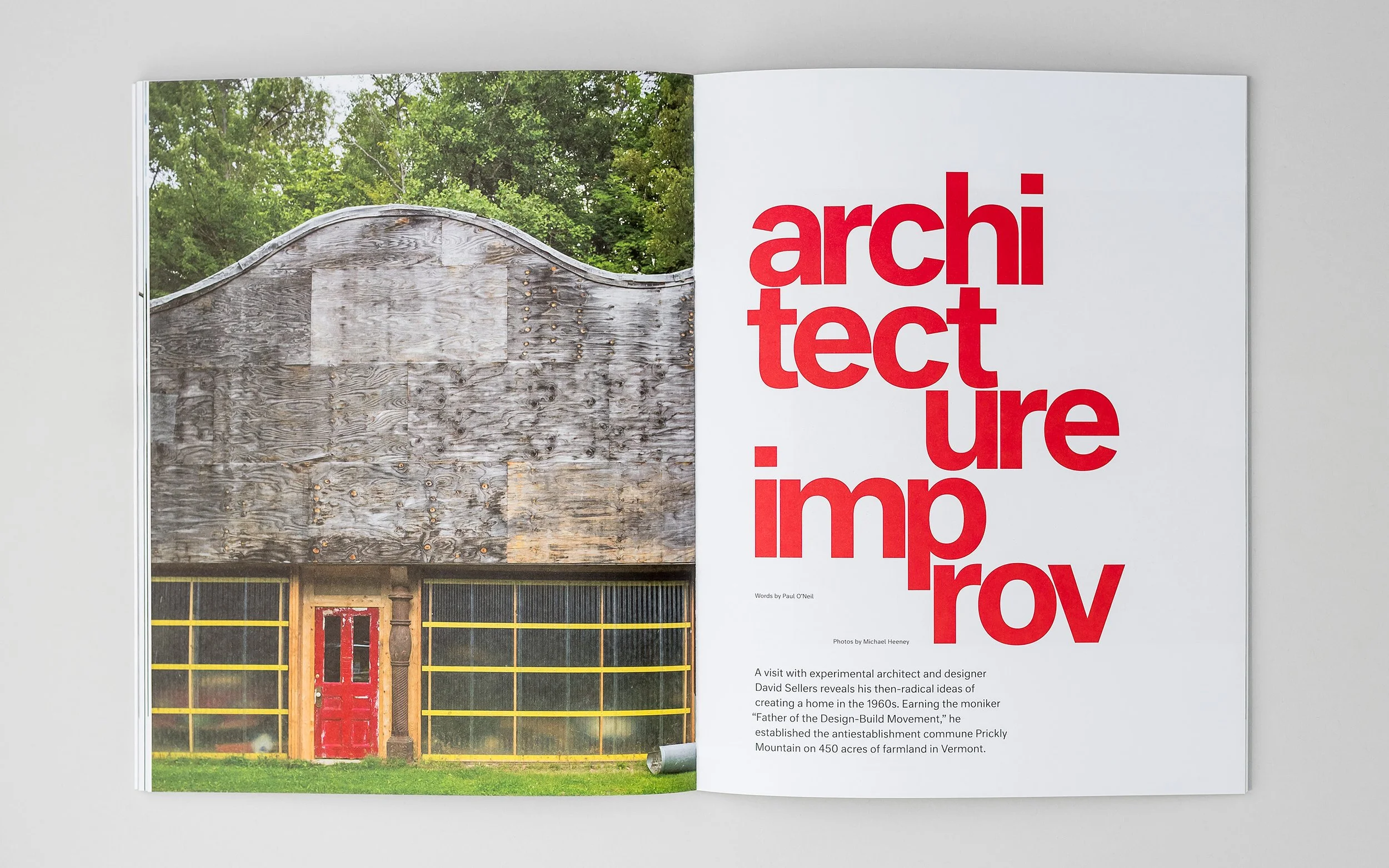
Assisted Editor in Chief. Wrote and edited articles for quarterly print publication. Note that pieces have been shortened and edited since original publication.

Page Layout and Design